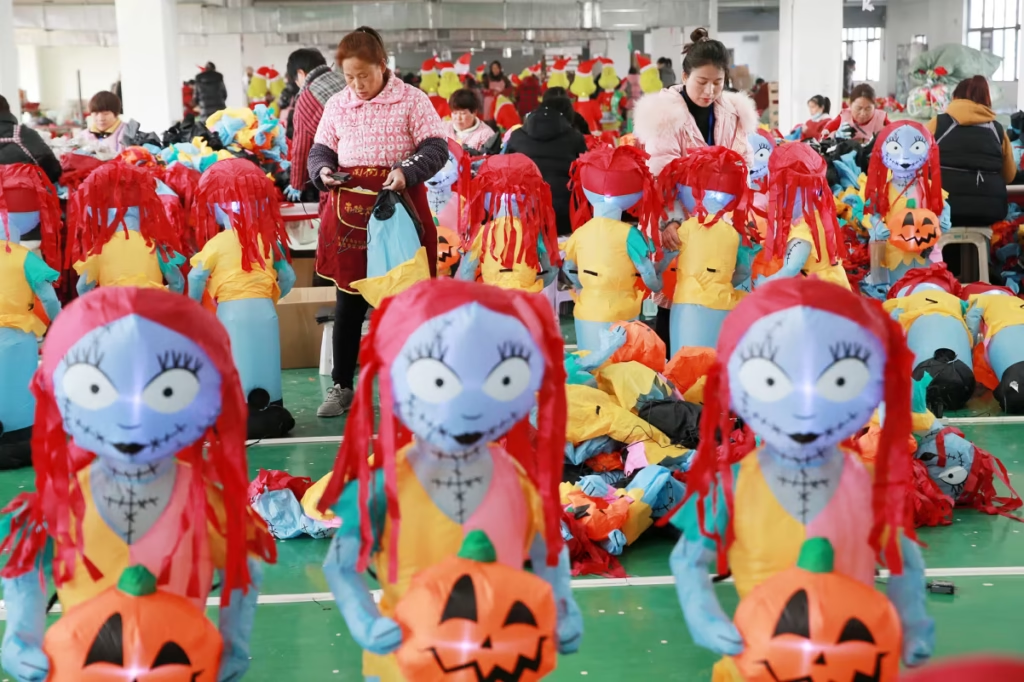

The Halloween industry, known for its creativity and seasonal excitement, is facing a harsh and unexpected challenge. Thanks to the tariffs introduced under the Trump administration’s trade policies, many businesses that bring spooky decorations, costumes, and party supplies to consumers are now struggling to stay afloat. What once was a booming seasonal market is now grappling with increased costs, disrupted supply chains, and uncertain futures.
Tariffs — essentially taxes on imported goods — were ramped up on many products coming from China, a primary manufacturing hub for Halloween merchandise. From intricately designed masks and animatronic props to plastic pumpkins and faux cobwebs, a significant portion of these items are made overseas due to lower production costs and specialized manufacturing expertise. However, when tariffs suddenly added extra fees on these imports, the cost of bringing them to U.S. shelves surged dramatically.
Small and medium-sized businesses in particular have felt the brunt of this economic squeeze. Many companies operate on razor-thin profit margins during Halloween season, relying on affordable imports to offer customers a wide selection at reasonable prices. With the tariffs inflating costs, retailers have faced a difficult choice: absorb the higher expenses and reduce profits or raise prices and risk losing customers.
One such example is a Santa Cruz-based horror merchandise warehouse filled with masks, movie props, and themed games. The owner describes the tariffs as a “real-life cash bleed,” highlighting how the added financial strain has cut deeply into his company’s revenues. His products, once competitively priced and accessible, now carry higher price tags that deter some buyers, reducing overall sales.
The ripple effects extend beyond just pricing. Tariffs have disrupted the delicate supply chains that many Halloween businesses rely on. Long-established relationships with overseas manufacturers have been strained or severed, forcing companies to seek alternative suppliers — often with higher costs or compromised quality. Some businesses have tried to shift production domestically, but replicating the specialized skills and economies of scale found in foreign factories has proven challenging.
Moreover, the timing couldn’t be worse. Halloween is a highly seasonal market, with a short but intense sales period in the months leading up to October 31st. Any disruption or cost increase during this window can have outsized effects on annual revenues and sustainability.
Industry analysts warn that continued tariffs may permanently reshape the Halloween market. Some companies may reduce the variety of products offered, focusing only on best-sellers or cheaper items. Others might scale back operations or even exit the business altogether, shrinking consumer choice and creativity in the industry.
On a broader level, this scenario exemplifies how trade policies, designed to protect domestic industries or reshape global economics, can sometimes have unintended consequences. While tariffs aim to level the playing field, they can also hobble industries reliant on global supply chains — including seasonal and niche markets like Halloween.
In the end, the spooky fun of Halloween masks and haunted house props masks a real economic challenge. Behind every costume and decoration is a complex story of manufacturing, trade, and business survival — one now shadowed by the toll of tariffs.