
Cabinet in Israel Endorses Gaza Ceasefire, Hostage Swap Agreement

Cabinet in Israel Endorses Gaza Ceasefire, Hostage Swap Agreement
  • Israel’s cabinet has endorsed the U.S.-brokered Gaza ceasefire, but it remains uncertain whether Prime Minister Benjamin Netanyahu has directed the military to halt operations.
  • The United States is deploying 200 troops to the Middle East to help monitor the ceasefire plan, working alongside forces from Egypt, Qatar, Turkey, and the UAE, according to a senior official. Another official emphasized that no U.S. troops will enter Gaza.
  • The deal provides for a swap of Palestinian prisoners for hostages, including the living and the deceased.

JERUSALEM/CAIRO, Oct 10 (Reuters) – Thousands of displaced Palestinians trekked over the wastelands of Gaza to return to the ruins of their abandoned homes on Friday, after a ceasefire took effect and Israeli troops began pulling back under the first phase of an agreement to end the war.

huge column of people filed on foot north along the coastal road overlooking sandy beaches towards Gaza City, the enclave’s biggest urban area, which had been under attack just days ago in one of Israel’s biggest offensives of the war.

“We went to our area. It was exterminated. We don’t know where we will go after that,” he said. “We couldn’t get the furniture, or clothes, or anything, not even winter clothes. Nothing is left.”

Palestinian health authorities said medical teams were able to recover 100 bodies from areas across the Gaza Strip after the army pulled back.

Even as Gazans headed home, questions loomed about whether the ceasefire and hostage-prisoner exchange deal between Israel and Hamas, the biggest step yet toward ending two years of war, would lead to a lasting peace under U.S. President Donald Trump’s 20-point plan to end the war.

Speaking to reporters at the White House, Trump expressed confidence the ceasefire would hold, saying: “They’re all tired of the fighting.” He said he believed there was a “consensus” on the next steps but acknowledged some details would still have to be worked out.

Hattiesburg’s Heartfelt Treat: Mulukakao Crafts Chocolate and Coffee with Care

Hattiesburg’s Heartfelt Treat: Mulukakao Crafts Chocolate and Coffee with Care

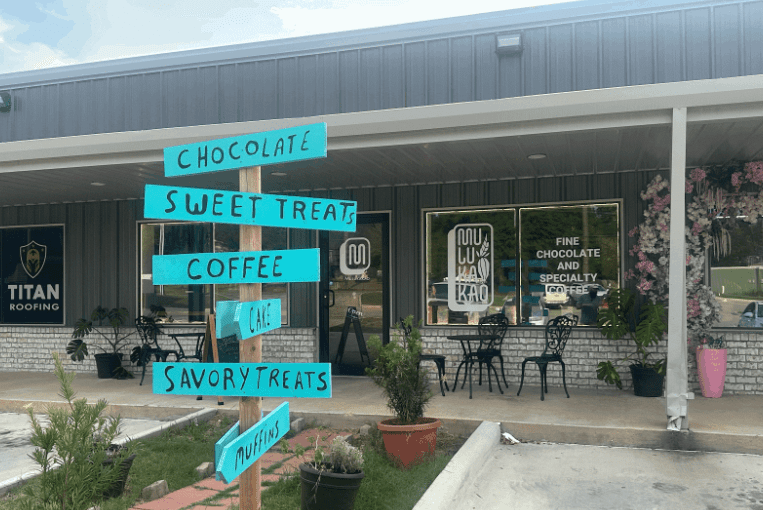
Mulukakao: Hattiesburg’s Chocolate and Coffee Destination with Heart

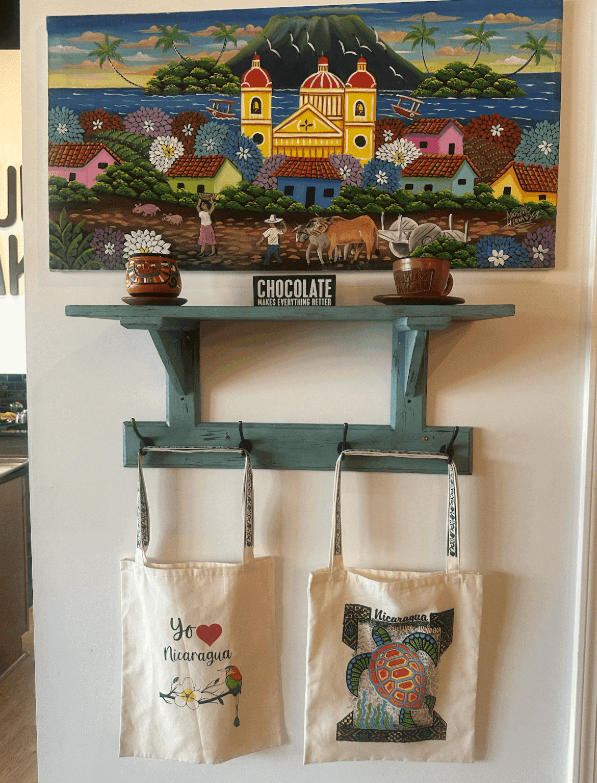
In the heart of Hattiesburg, Mississippi, a small café has quietly been capturing the attention of locals and visitors alike. Mulukakao isn’t just another coffee shop or chocolate store — it’s a destination where passion, craftsmanship, and community converge. Here, the ordinary act of enjoying a cup of coffee or a piece of chocolate transforms into an experience infused with care, creativity, and heart.

Mulukakao’s journey begins with its chocolate. Unlike mass-produced options found in supermarkets, each bar and confection is meticulously hand-tempered to achieve a velvety smooth texture and rich, balanced flavor. Every bite showcases the dedication of the chocolatiers behind it — a careful blending of quality ingredients and artistic technique. The team prioritizes ethically sourced cacao, ensuring that each piece not only tastes exceptional but also supports sustainable practices.

Equally impressive is Mulukakao’s coffee selection. The café sources beans from around the world, roasting them to bring out their natural depth and aroma. Every cup is brewed with precision, whether it’s a classic espresso, a creamy latte, or a seasonal specialty designed to surprise and delight. What sets Mulukakao apart isn’t just the technical skill — it’s the thoughtfulness behind each pour. Baristas know that coffee is more than a beverage; it’s a ritual, a moment to pause, savor, and connect.

The atmosphere at Mulukakao reflects this philosophy. The café is intimate yet welcoming, with a warm, inviting décor that mirrors the care put into its menu. Guests often describe it as a place where the senses are fully engaged — the rich scent of chocolate in the air, the comforting aroma of freshly brewed coffee, and the visual appeal of elegantly crafted treats. Seasonal menus, unique flavor pairings, and carefully curated presentations ensure that every visit feels fresh and memorable.

Community connection is at the heart of Mulukakao’s mission. The founders emphasize that their work is about more than taste — it’s about creating joy and fostering relationships. Each bar of chocolate and each cup of coffee is crafted with the goal of sharing warmth and care with every customer. This approach has resonated deeply with Hattiesburg residents, turning first-time visitors into regulars and making the café a beloved local institution.

Mulukakao’s commitment to quality and heart extends beyond its menu. By focusing on ethical sourcing, sustainable practices, and locally inspired offerings, the café demonstrates that indulgence and responsibility can coexist beautifully. The attention to detail in every element — from the selection of ingredients to the presentation of each treat — reflects a philosophy where food is an experience, not just a product.

For those passing through Hattiesburg, Mulukakao is more than a stop along the way; it’s a place worth seeking out. Whether enjoying a hand-crafted chocolate bar, sipping a perfectly brewed coffee, or simply soaking in the warm, inviting atmosphere, guests leave with more than just a treat — they leave with a memory of care, creativity, and connection.

In a world where convenience often outweighs quality, Mulukakao stands out as a beacon of what thoughtful, passionate craftsmanship can achieve. It reminds us that the sweetest experiences aren’t just about flavor — they’re about the intention, heart, and humanity poured into every detail. Mulukakao proves that in Hattiesburg, chocolate and coffee are more than indulgences; they’re expressions of love, community, and artisanal excellence.

Lay’s Introduces Comprehensive Brand Redesign to Reflect ‘MAHA’ Vision

Lay’s Introduces Comprehensive Brand Redesign to Reflect ‘MAHA’ Vision

Lay’s Rolls Out Its Biggest Redesign Yet — Cleaner, Bolder, and Ready for a Healthier America. PepsiCo’s Lay’s is stepping into a new era — and it’s doing so with both a makeover and a mission. The snack giant has unveiled what it calls the “largest brand redesign in Lay’s nearly 100-year history,” a bold refresh that goes far beyond packaging aesthetics.

Coming just after Domino’s announced its own visual revamp, Lay’s new look signals a broader shift among iconic brands: modernization that meets mindful living.

But Lay’s transformation isn’t just skin deep. The company is aligning its recipes with the federal “Make America Healthy Again” (MAHA) initiative — committing to cleaner ingredients and smarter nutrition. By the end of 2025, every core Lay’s product in the U.S. will be free from artificial flavors and colors, marking a significant pivot toward transparency and wellness.

The evolution continues with Lay’s Baked, which will now be made using olive oil and contain 50% less fat than regular chips. Meanwhile, a reimagined Lay’s Kettle Cooked Reduced Fat Original Sea Salt will feature avocado oil and 40% less fat. PepsiCo says this is only the beginning — with more “better-for-you” snacks planned for 2026 across its food portfolio.

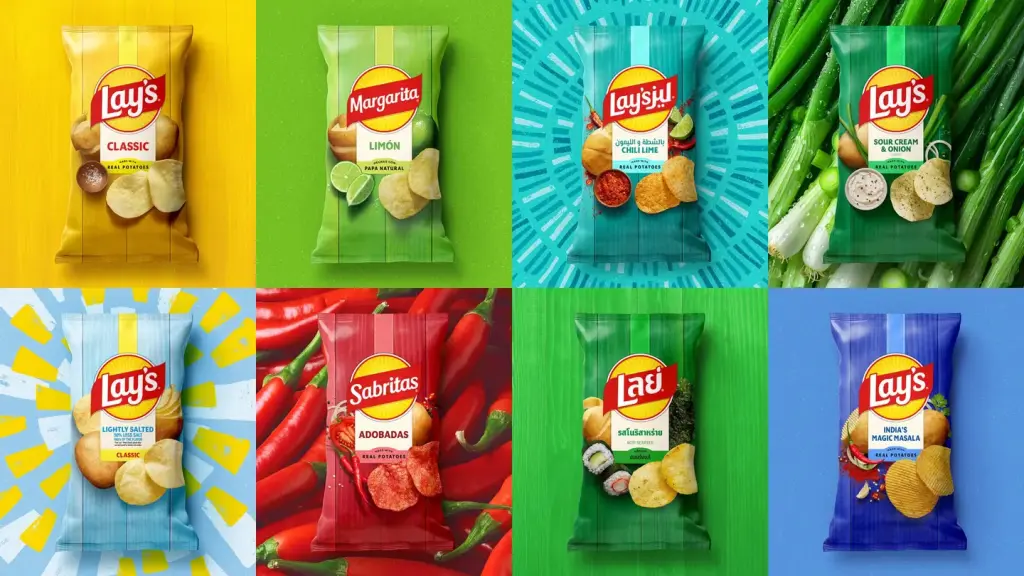
Visually, the new Lay’s identity tells a story rooted in nature and nostalgia. The refreshed logo features “Lay’s Rays” — beams of sunlight symbolizing the natural light that nurtures the potatoes behind every chip. The packaging adopts a refined, ingredient-inspired color palette, showcasing close-up images that highlight each chip’s crisp texture, seasoning, and golden hue. As the company describes it, the redesign lets “the potato itself and rich farm imagery take center stage.”

Brand strategist Laura Burkemper of Scaleblazer calls this overhaul “historic,” praising it as a “masterclass in visual storytelling.” From matte finishes and custom typography to farm-focused imagery, she says, Lay’s has achieved something rare: a redesign that’s both beautiful and meaningful.

“By removing artificial ingredients,” Burkemper added, “Lay’s is signaling a genuine commitment to cleaner, more transparent products — a move that connects powerfully with health-conscious consumers while strengthening authenticity in an increasingly crowded snack market.”

In a world where taste and trust matter equally, Lay’s latest evolution proves that even after a century, there’s still room for freshness — in both flavor and philosophy.

From Gas Pump to Gourmet: Staten Island’s Hidden Italian Deli Redefines NYC’s Food Scene

From Gas Pump to Gourmet: Staten Island’s Hidden Italian Deli Redefines NYC’s Food Scene

From the outside, the Shell station on Victory Boulevard and Seneca Avenue could easily blend into Staten Island’s endless stretch of fuel stops. But step through its sliding doors, and you’ll discover something extraordinary — a hidden culinary treasure run by father and son duo, Italo and Gerardo Perito.

Inside this unlikely setting, Fresh To Go is rewriting what it means to “grab a bite on the go.” Forget the dusty shelves of chips and reheated slices under fluorescent lights. Here, you’re greeted by trays of house-made lasagna, hand-shaped meatballs, and soft, milky mozzarella made fresh every single morning.

“Most gas stations in the U.S. don’t have this kind of food,” Gerardo said proudly, shaping fresh mozzarella behind the counter. “We make it every day.”

The story of Fresh To Go began with Italo’s journey from Salerno, Italy, to New York back in 2001. With him came a relentless work ethic — the kind that starts before sunrise. Each day, he’s up by 5:30 a.m., baking bagels from scratch and whipping up cream cheese in-house before most commuters even hit the road.

Their menu takes inspiration from Italy’s famed Autogrills — the roadside oases where travelers can sit down to enjoy restaurant-quality meals without breaking stride. “In Italy, gas stations are different,” Gerardo explained. “They have real food — fresh pizza, sandwiches, pastas. That’s what we wanted to bring here.”

The idea took root after the landlord’s son-in-law visited Italy and returned inspired by the concept. With the Peritos’ passion and experience, that inspiration turned into something tangible — and delicious.

Now, Staten Island’s most unassuming gas station has transformed into an epicurean destination where every dish is made with care, tradition, and a touch of Italian soul. What started as a place to fill your tank has become a place to fill your heart — and your plate.

LeBron James Expected to Sit Out Early 2025–26 NBA Season with Sciatica Issues

LeBron James Expected to Sit Out Early 2025–26 NBA Season with Sciatica Issues

LeBron James Expected to Miss Start of 2025–26 NBA Season as Sciatica Flare-Up Persists

The Los Angeles Lakers may be without their biggest star when the 2025–26 NBA season tips off. LeBron James, the face of the franchise and one of the greatest players in basketball history, is reportedly set to miss the opening stretch of the season due to lingering sciatica issues, according to team sources close to the situation.

At 40 years old, James is entering a remarkable 22nd season in the league, continuing to defy expectations for longevity and performance. But even for an athlete of his discipline and durability, the battle against time is unrelenting. The sciatica flare-up, which causes nerve pain radiating from the lower back down through the legs, has reportedly limited his offseason training and preseason activity.

A Careful Approach from the Lakers

The Lakers’ medical team, along with head coach Darvin Ham, is taking a conservative route with their superstar. The organization’s priority is to have James healthy for the long haul — especially with the Western Conference shaping up to be fiercely competitive once again. Sources say the team will reassess his condition week to week, with an optimistic target return set for mid-to-late November, depending on his response to treatment.

“The focus isn’t October,” one insider noted. “The focus is April and beyond.” That statement reflects the Lakers’ belief that a cautious start could pay dividends when playoff time arrives — when LeBron’s leadership and postseason experience matter most.

The Toll of Longevity

James, who averaged 25.1 points, 7.8 rebounds, and 7.3 assists last season, has continued to maintain elite production deep into his late 30s. However, the grind of two decades of NBA seasons — plus countless deep playoff runs and Olympic appearances — has inevitably taken a physical toll.

Sciatica, a condition often linked to compressed nerves or spinal pressure, can be unpredictable. It may cause anything from mild discomfort to debilitating pain, affecting movement, balance, and explosiveness — all essential tools in LeBron’s game.

A Test for the Lakers’ Depth

With LeBron sidelined to start the year, the Lakers will need Anthony Davis to shoulder a heavier load, both offensively and defensively. The team is also expected to rely more heavily on younger contributors like Austin Reaves, Rui Hachimura, and D’Angelo Russell, who will be called upon to keep Los Angeles competitive until their leader returns.

While the absence of LeBron will test the team’s chemistry and resilience early on, it could also offer valuable development time for their supporting cast — something the Lakers have struggled to balance in recent years.

Eyes on the Bigger Picture

For LeBron, missing games is never easy — especially as he chases milestones that further cement his legendary legacy. Yet this decision signals maturity and long-term focus. At this stage of his career, every game must serve the ultimate goal: staying healthy enough to compete for a fifth NBA championship.

Whether this setback is a temporary hurdle or a sign of the physical limits beginning to close in on him remains to be seen. What’s certain is that even on the sidelines, LeBron James continues to shape the story of the NBA, just as he has for over two decades.

Cashback Offers: Getting Value from Losses

For seasoned players, understanding how to maximize losses through cashback offers can be a game-changer. Cashback provides an opportunity to recover a percentage of your losses, making it essential to evaluate the terms thoroughly. In this guide, we will explore how to effectively navigate cashback offers to extract real value from your gaming experience. If you’re looking to play at CasinoWays Casino, knowing how to leverage cashback can enhance your strategy.

Step 1: Understand Cashback Offers

Cashback offers typically return a percentage of your losses over a specified period. Here’s how to break it down:

  • Percentage of Cashback: Typically ranges from 5% to 20% depending on the casino’s policy.
  • Time Frame: Cashback may apply weekly, monthly, or daily.
  • Eligibility: Often requires you to opt-in or meet certain criteria.

Step 2: Registration

To take advantage of cashback offers, you first need to register at a casino. Follow these steps:

  1. Visit the CasinoWays Casino website.
  2. Click on the “Sign Up” button.
  3. Fill in the required personal information, including your name, email, and preferred payment method.
  4. Verify your email address to activate your account.

Step 3: Claiming the Bonus

After registration, claiming the cashback offer is crucial. Here’s how to do it:

  1. Log into your CasinoWays account.
  2. Navigate to the promotions section to find the cashback offer.
  3. Opt-in if required, ensuring you meet any qualifying criteria.
  4. Check the percentage and time frame applicable to your account.

Step 4: Tracking Your Losses

To effectively leverage cashback, keeping track of your losses is essential. Here’s a methodical approach:

  1. Maintain a detailed log of your gameplay sessions, including wins and losses.
  2. Calculate your total losses at the end of the promotional period.
  3. Apply the cashback percentage to determine your potential return.

Step 5: Wagering Requirements

Understanding the wagering requirements is vital for maximizing cashback. Here’s what to consider:

  • Typical Wagering Requirements: Often set at around 35x, meaning you must wager 35 times the cashback received before withdrawal.
  • Impact on Your Strategy: Higher wagering requirements can make it challenging to convert cashback into withdrawable funds.
  • Read Terms Carefully: Ensure you know the exact terms to avoid surprises when cashing out.

Step 6: How to Withdraw

Once you meet the wagering requirements, you can withdraw your funds. Follow these steps:

  1. Log into your CasinoWays account.
  2. Go to the cashier section.
  3. Select “Withdraw” and choose your preferred payment method.
  4. Enter the amount you wish to withdraw and confirm the transaction.

Comparison Table of Cashback Offers

Casino Cashback Percentage Wagering Requirement Time Frame
CasinoWays 10% 35x Weekly
Competitor A 15% 40x Monthly
Competitor B 5% No Wagering Daily

By following these steps and understanding the mechanics behind cashback offers, you can turn losses into valuable returns. Always remember to analyze the terms associated with these offers to optimize your gaming strategy effectively.

England’s First King: Remembered, Then Forgotten

England’s First King: Remembered, Then Forgotten

More than a millennium ago, Æthelstan stood as one of the most powerful rulers in Europe. Crowned 1,100 years ago as the first king of England, he united warring kingdoms into a single nation, forged bonds with continental powers, and oversaw a realm filled with cultural and ethnic diversity. He even set a royal trend by being the first English monarch to wear a crown—a symbol still worn by kings and queens today.

Yet despite these achievements, history has not been kind to him. Æthelstan’s name rarely appears in popular accounts of England’s past. Instead, he was overshadowed soon after his death by the enduring fame of his grandfather, Alfred the Great. Later generations continued to neglect him: Elizabethan scholars ignored him when searching for heroic English beginnings, and Victorian historians reduced him to a footnote as they sought to justify empire-building narratives.

That neglect has left Æthelstan a curiously forgotten figure, despite his crucial role in shaping England. His story is only now being re-examined, thanks to scholars like David Woodman, a Cambridge historian who argues it is time to restore Æthelstan to his rightful place in the nation’s memory. The anniversary of his coronation in September 2025 provides a timely opportunity to reflect not just on a king’s lost legacy, but on the very origins of English identity itself.

Who was Æthelstan?

Æthelstan was the grandson of Alfred the Great, one of the most celebrated rulers of early medieval England. Alfred earned lasting fame in the 9th century for his struggles against Viking invasions, defeating the Danes and extending his influence into Mercia—a powerful neighboring kingdom that once stretched across much of the Midlands and eastern England. From his base in Wessex, Alfred laid the groundwork for what would eventually become a united English realm.

His son, Edward—known as Edward the Elder and Æthelstan’s father—built on these foundations. Edward expanded control further by driving the Danes from East Anglia. According to historian Sarah Foot, dean of Christ Church College, Oxford, Edward relied on a fresh style of warfare, constructing fortified towns to secure conquered land and maintain dominance. By the end of his reign, he ruled territory stretching all the way to the River Humber in East Yorkshire and proudly bore the title “King of the Anglo-Saxons,” inherited from Alfred.

It was into this dynastic story that Æthelstan was born around 894 AD. He carried forward the legacy of his forefathers, not just maintaining their gains but pushing the kingdom’s boundaries even further—ultimately becoming the first monarch to truly unite England under a single crown.

America’s role in China-Taiwan tensions under Trump

America’s role in China-Taiwan tensions under Trump

During Donald Trump’s time in office, Washington adopted one of its boldest policies toward Taiwan in recent memory, tying the island’s fate directly to the wider contest with Beijing. On the military side, his administration greenlit multi-billion-dollar weapons deals for Taipei, covering upgraded F-16 fighters, long-range strike missiles, and coastal defense systems aimed at bolstering Taiwan’s “asymmetric” defense strategy—tools intended to raise the cost of any potential Chinese invasion. U.S. Navy vessels also stepped up transits through the Taiwan Strait, underscoring America’s commitment to freedom of navigation and openly challenging Beijing’s sweeping territorial claims.

Diplomatically, Trump advanced measures that broke with past restraint. He signed the Taiwan Travel Act in 2018, legitimizing high-level visits between American and Taiwanese officials, something earlier administrations tried to avoid. In 2020, he endorsed the TAIPEI Act, which encouraged other governments and international organizations to maintain or expand relations with Taipei, serving as a counter to China’s diplomatic pressure campaign. These moves boosted Taiwan’s international presence but also drew sharp rebukes from Beijing.

Adding to the friction, Trump sometimes cast doubt on the long-standing One China policy, which acknowledges Beijing as the sole legal government while keeping unofficial ties with Taiwan. Although he eventually reaffirmed the policy, his initial wavering alarmed Chinese officials and injected new uncertainty into the U.S.–China relationship.

The net result of these policies was a noticeable strengthening of U.S.–Taiwan relations and renewed confidence in American backing on the island. Yet this came at the cost of heightened cross-strait tensions, as Beijing escalated military drills and sorties around Taiwan to demonstrate its displeasure. For Taipei, Trump’s approach provided both reassurance—through enhanced defense and diplomatic recognition—and new dangers, since it risked provoking stronger retaliation from China.

Tropical threat nears Southeast; U.S. impacts expected by Monday

Tropical threat nears Southeast; U.S. impacts expected by Monday

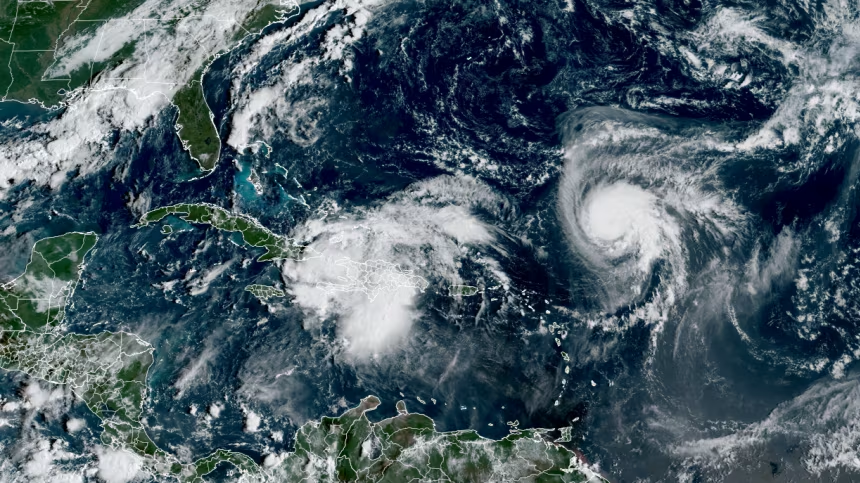
Tropical trouble is once again developing in the Atlantic, as a new system could target the U.S. Southeast by early next week, joining Hurricane Humberto by Saturday. Unlike Humberto, though, this storm may strike directly, offering little time for preparation.

Late Friday, a cluster of rain and thunderstorms near the southeastern Bahamas was labeled Potential Tropical Cyclone Nine by the National Hurricane Center. This designation is used for disturbances that haven’t fully developed but are expected to bring tropical storm conditions to land within 72 hours.

As a result, a tropical storm warning has been issued for the central Bahamas, while a watch is in place for the northwestern islands.

Forecasters expect the system to become a tropical depression by Saturday and potentially strengthen into Tropical Storm Imelda by Saturday night. It could intensify further, possibly reaching Category 1 hurricane status by Monday.

If this developing system strengthens as predicted and heads toward the Southeast, it could reach land by Tuesday. Even without a direct landfall, there’s growing concern over potential flooding, especially if the storm slows down near the shoreline.

Early forecasts from the National Hurricane Center suggest the system could stall near the South Carolina coast on Tuesday as a Category 1 hurricane.At the same time, Hurricane Humberto quickly strengthened into a Category 3 storm on Friday as it moved through warm waters and favorable conditions in the central Atlantic. Forecasters expect it to intensify further, potentially reaching Category 4 status with 145 mph winds by Sunday. While it’s not expected to directly impact the U.S., it could affect Bermuda next week as it passes to the west of the island.

American Comedians at Saudi Festival Face Backlash from Rights Groups

American Comedians at Saudi Festival Face Backlash from Rights Groups

The Riyadh Comedy Festival, which kicked off on September 26 and will run until October 9, 2025, in Saudi Arabia, has become the focus of heated debate after several prominent American comedians signed on to perform. The event, spearheaded by the Saudi General Entertainment Authority, is presented as part of the Vision 2030 initiative aimed at diversifying the kingdom’s cultural scene. Organizers have described it as one of the largest comedy showcases in the world.

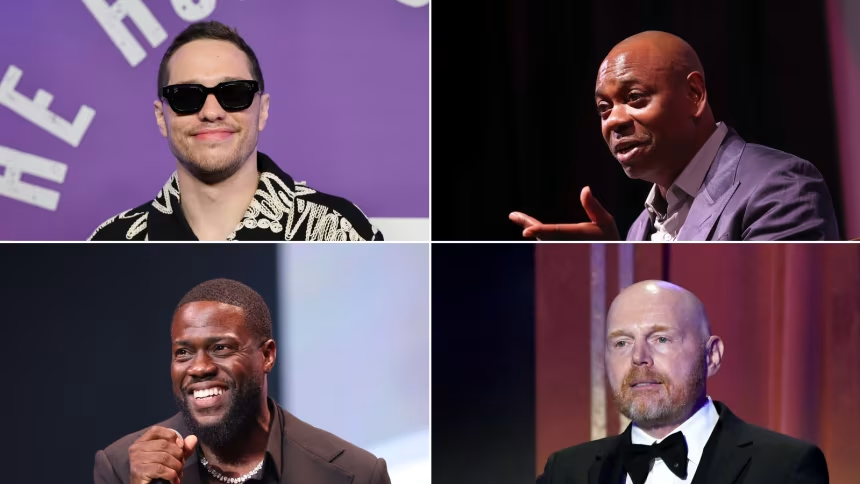
Among the star-studded lineup are globally recognized names such as Dave Chappelle, Kevin Hart, Bill Burr, Pete Davidson, Aziz Ansari, Whitney Cummings, and Jimmy Carr. While the gathering promises big laughs, critics—including fellow comedians, human rights advocates, and activist organizations—accuse the performers of providing cover for a government with a troubling human rights record. Detractors argue that the scope, timing, and high-profile nature of the festival are less about comedy and more about rebranding Saudi Arabia’s international image through entertainment.

Groups such as Human Rights Watch, Democracy for the Arab World Now, and the Human Rights Foundation have led the opposition. They point to longstanding allegations against Saudi authorities, ranging from stifling dissent and curbing free speech to imprisoning dissidents and silencing journalists. According to these organizations, by participating in the festival, comedians risk being used as instruments in a public relations strategy designed to overshadow these abuses without addressing them.

In response, some comedians have defended their decision to appear. They argue that bringing comedy to a conservative environment could serve as a cultural bridge. Others claim that art and humor should transcend politics, while some point to parallels with freedom of expression issues in the United States. Financial motivations are also acknowledged as part of the draw. Yet within the comedy community itself, not everyone is supportive. Comedians including Marc Maron, David Cross, Shane Gillis, and Atsuko Okatsuka have either declined invitations outright or criticized colleagues for agreeing to perform under restrictive conditions.

Contract details have added further controversy. Reports suggest some agreements explicitly ban performers from making jokes about Saudi culture, religion, the royal family, or political leadership. For many critics, these restrictions highlight the limits placed on genuine expression and underscore concerns that the event is more about optics than openness.

Adding to the controversy is the festival’s timing. It coincides with the anniversary of the 2018 killing of journalist Jamal Khashoggi, an event that drew global condemnation of the Saudi government. For human rights advocates, this overlap intensifies claims of “whitewashing.” They have called on participating comedians to use their platform to highlight issues such as repression, censorship, and the imprisonment of dissidents, rather than remain silent and complicit.

The uproar has exposed a deep rift over the intersection of comedy, celebrity influence, and ethical responsibility. To some, international comedy festivals offer opportunities for cultural exchange, joy, and subtle challenges to societal norms. To others, the lure of prestige and money cannot outweigh the risk of legitimizing authoritarian practices. How the participating comedians handle this scrutiny—whether by speaking out, adapting their material, or rejecting similar offers in the future—may shape not only their reputations but also the way such global entertainment ventures are judged moving forward.